Производитель · Казань, Татарстан · Экспорт в СНГ
Пепперони халяль оптом от производителя
Варено-копчёный куриный пепперони для пиццерий, HoReCa и дистрибуции. Диаметр 50–55 мм, ровные слайсы, не скручивается в печи. Срок хранения 360 суток при –18°C — удобно для экспортных плеч.
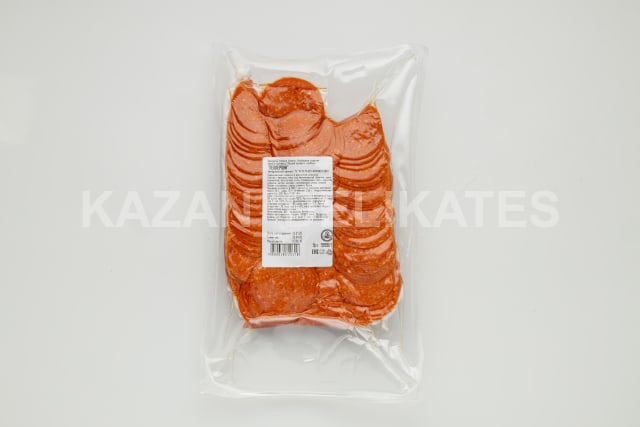
 KD-013 · 0,5 kg
Отвечаем в рабочее время в течение часа. Пришлём прайс, спецификацию и полный пакет документов для импорта.
Документы и стандарты
Посмотрите, как это сделано
Два коротких видео вместо длинного письма: производство целиком и участок, где делают пепперони.
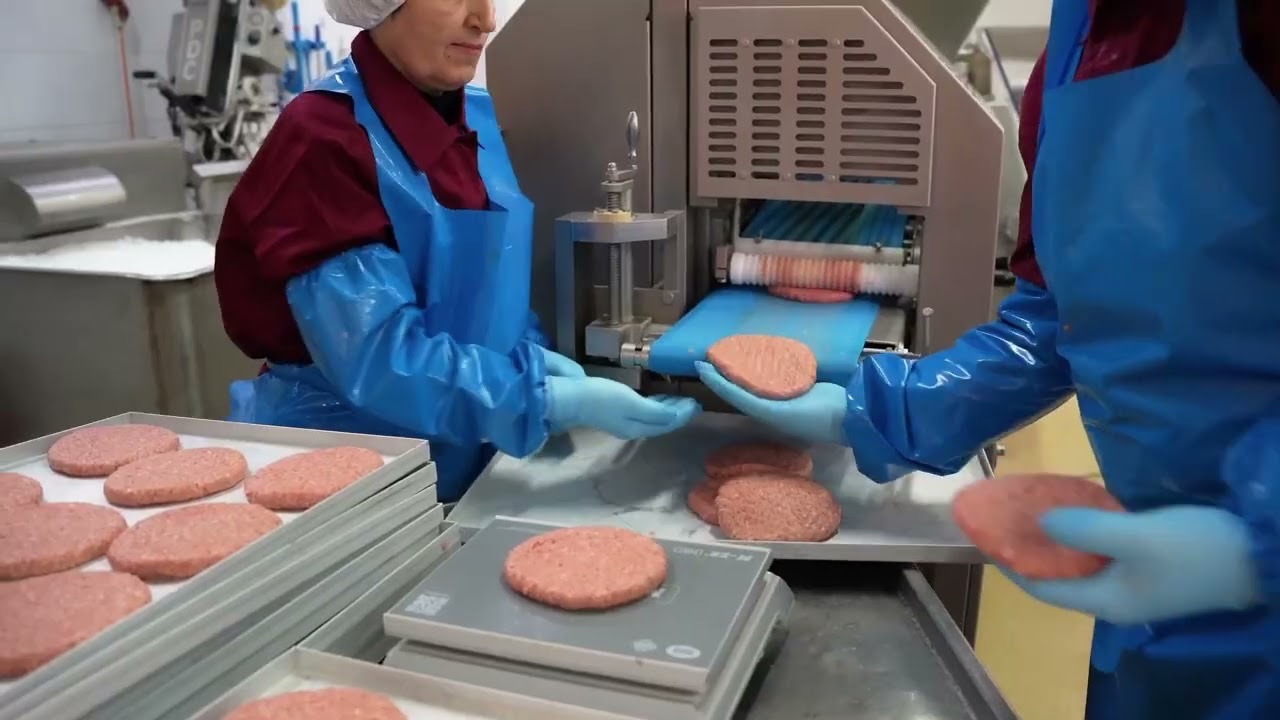
Обзор производства: цеха, оборудование, контроль качества, халяль-процесс.
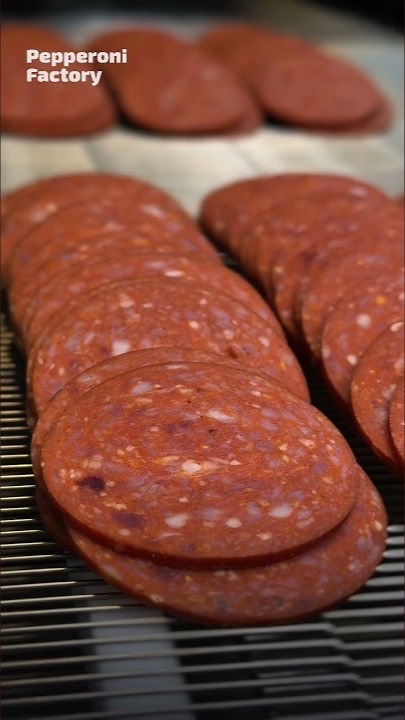
От фарша до готового батона и нарезки — короткое видео с линии.
Продукт: пепперони варено-копчёный куриный
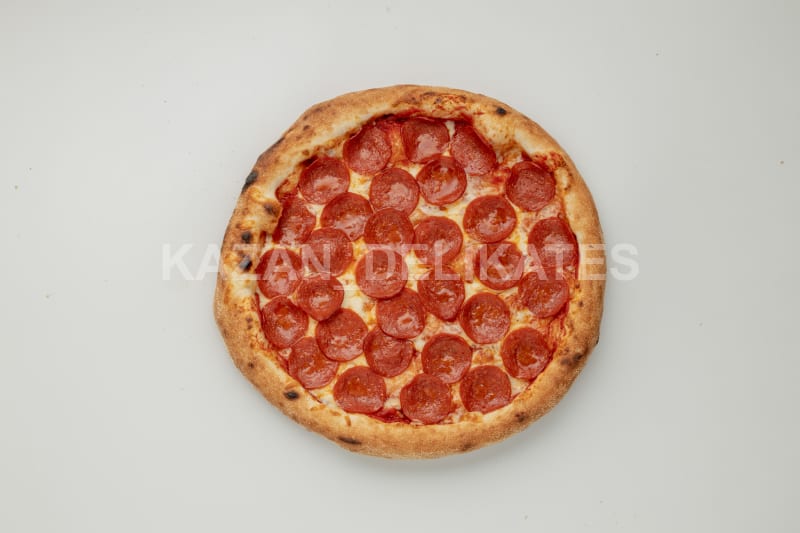
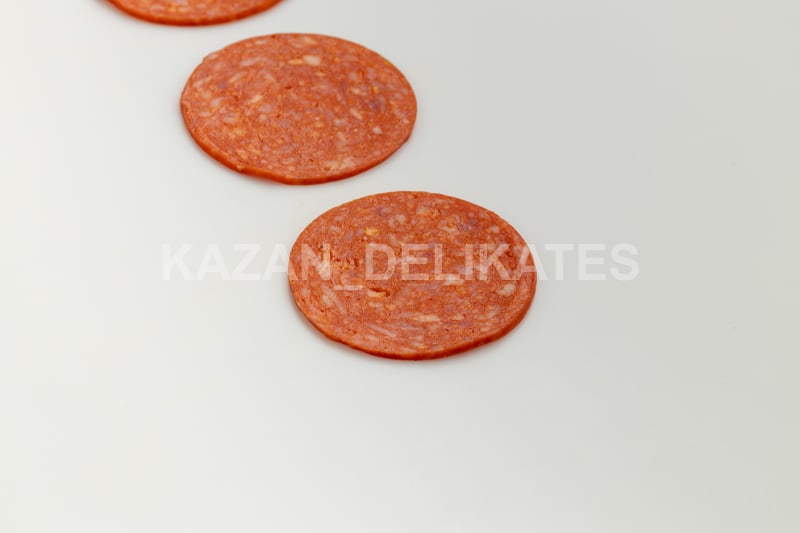
Нарезка сервировочной формы: ровные круглые слайсы одинакового диаметра. Продукт термостабильный — при запекании держит форму, не скручивается «лодочкой» и не расплывается по пицце. Без свинины, без ГМО, без трансглютаминазы.
Спецификация
| Наименование | Пепперони варено-копчёный куриный |
| Сырьё | Мясо куриное (халяль) |
| Диаметр батона | 50–55 мм |
| Формат | Нарезка / целый батон |
| Масса 10 слайсов | 26–30 г |
| Фасовка | Вакуум, 0,5 кг |
| В коробке | 6 упаковок · 2,5 кг |
| Размер короба | 260 × 235 × 180 мм |
| Температура хранения | –18°C |
| Срок хранения | 360 суток |
| Штрихкод | 4680638720318 |
| Код ТН ВЭД | 1601 00 |
Состав
Мясо куриное, вода, соль, сахар, пряности (перец чёрный, паприка, чеснок), стабилизатор (пирофосфаты), антиокислитель (аскорбат натрия), фиксатор окраски (нитрит натрия).
Без свинины и свиного жира. Без ГМО. Без трансглютаминазы (мясной клей не используется). Аллергены — уточняйте в спецификации партии.
Пищевая ценность на 100 г
| Белки | 15 г |
| Жиры | 25 г |
| Углеводы | 0,96 г |
| Энергетическая ценность | 290 ккал / 1190 кДж |
Хранение и разморозка
| Замороженный | 360 суток при –18°C |
| После разморозки, упаковка не вскрыта | 120 часов при +4°C |
| После вскрытия | 72 часа при +4°C |
| Режим разморозки | 2–6 часов при температуре до +4°C |
Почему берут именно этот пепперони
Не скручивается в печи
Плотность и оболочка подобраны так, что слайс остаётся плоским при запекании и не превращается в «чашечку».
Предсказуемый фудкост
10 слайсов = 26–30 г. Порция считается точно, повар не «на глаз» раскладывает топпинг.
Халяль без оговорок
Сертификат Комитета по стандарту «Халяль» ДУМ РТ № 614A/2024. Свинина и алкоголь не используются на производстве.
360 суток срока
Длинный срок хранения при –18°C выдерживает долгое транспортное плечо и таможенное оформление без потери остатка срока.
Private Label
Тот же продукт под вашей торговой маркой: рецептура, острота, толщина нарезки, фасовка и этикетка — под ваш бренд.
Пакет документов для импорта
Халяль-сертификат, декларация ЕАЭС, ветеринарные документы, спецификация, этикетка на языке рынка.
Цена и условия отгрузки
Цена указана за упаковку 0,5 кг на условиях EXW Казань. Финальная цена зависит от объёма, формата нарезки и маршрута — считаем под ваш заказ.
Ориентир в вашей валюте
| Базис поставки | EXW Казань (другие базисы — по согласованию) |
| Минимальный заказ | Обсуждаем под ваш объём и маршрут |
| Оплата | Безналичный расчёт, внешнеторговый контракт |
| Тара | Гофрокороб, палетирование под запрос |
Ориентиры в национальных валютах пересчитаны от базовой цены и меняются вместе с курсом — актуальную цену подтверждаем в счёте.
Экспорт: страны и как это работает
Работаем с импортёрами, дистрибьюторами, сетями пиццерий и производителями полуфабрикатов. Выберите страну — пришлём условия и документы под её требования.
Как проходит первая поставка
Заявка и объём
Вы говорите город, формат (нарезка или батон) и планируемый объём в месяц.
Прайс и образцы
Присылаем прайс, спецификацию и образцы для теста в вашей печи и меню.
Документы
Готовим халяль-сертификат, декларацию ЕАЭС, ветеринарные документы, этикетку.
Контракт и отгрузка
Внешнеторговый контракт, счёт, отгрузка с температурным режимом –18°C.
Что входит в пакет документов
- Сертификат «Халяль» ДУМ РТ № 614A/2024
- Декларация соответствия ЕАЭС N RU D-RU.PA07.V.69731/23
- Технические условия ТУ 10.13.14-001-54503631-2022
- Ветеринарные сопроводительные документы (ФГИС «Меркурий»)
- Спецификация продукта и протоколы испытаний партии
- Этикетка и маркировка под требования страны-импортёра
Где применяют
Пицца
Основной топпинг: держит форму, даёт ровный рисунок и вытопку жира.
Сэндвичи и шаверма
Пикантный мясной слой, готов к употреблению из упаковки.
Бургеры
Дополнительный слой вкуса под сыром.
Роллы, тако, врапы
Хорошо сочетается с овощами и острыми соусами.
Завтраки и паста
Омлеты, фриттаты, паста, запечённые блюда.
Розница и HoReCa-дистрибуция
Готовая нарезка в вакууме для полки и для профессиональной кухни.
Private Label — пепперони под вашим брендом
Производим тот же продукт под вашей торговой маркой. Подходит сетям пиццерий, дистрибьюторам и розничным сетям, которым нужна собственная линейка халяль-топпингов.
- Сырьё: курица, говядина, конина или миксы
- Острота: mild / medium / spicy
- Возможен вариант без нитрита натрия (по запросу)
- Нарезка: индивидуальный диаметр и толщина слайса
- Фасовка: от 0,5 до 5 кг, вакуум или лоток
- Этикетка и состав — на языке вашего рынка
Частые вопросы
Пепперони действительно халяль?
Да. Производство сертифицировано Комитетом по стандарту «Халяль» ДУМ РТ, сертификат № 614A/2024. Свинина, свиной жир и алкоголь на производстве не используются. Копию сертификата присылаем вместе с прайсом.
Из какого мяса сделан этот пепперони?
Основа — мясо куриное халяль. В ассортименте также есть пепперони из говядины и из конины: если нужен другой вид сырья, укажите это в заявке.
Скручивается ли пепперони при запекании?
Нет. Продукт термостабильный: плотность фарша и оболочка подобраны так, чтобы слайс оставался плоским и не превращался в «чашечку». Это ключевое требование пиццерий, и мы предлагаем протестировать образцы в вашей печи до контракта.
Какой срок хранения и температура?
360 суток при –18°C в замороженном виде. После разморозки невскрытая упаковка хранится 120 часов при +4°C, после вскрытия — 72 часа при +4°C. Разморозка: 2–6 часов при температуре до +4°C.
Вы поставляете в мою страну?
Работаем с импортёрами в Казахстане, Узбекистане, Кыргызстане, Беларуси, Азербайджане, Армении, Грузии и Таджикистане. Базис по умолчанию — EXW Казань, другие условия обсуждаем. Маршрут и сроки считаем под конкретный город.
Какой минимальный заказ?
Минимальный объём зависит от страны, маршрута и формата нарезки — обсуждаем индивидуально. Для теста возможна пробная партия и отправка образцов.
Можно ли выпускать под нашей маркой?
Да, доступен Private Label. Меняем состав мяса, уровень остроты, диаметр и толщину нарезки, фасовку от 0,5 до 5 кг, этикетку и маркировку под ваш бренд.
Какие документы вы предоставляете для импорта?
Халяль-сертификат ДУМ РТ, декларацию соответствия ЕАЭС, технические условия, ветеринарные сопроводительные документы через ФГИС «Меркурий», спецификацию продукта и маркировку под требования страны-импортёра.
Получить прайс, образцы и документы
Оставьте телефон — свяжемся в рабочее время и пришлём прайс, спецификацию и пакет документов. Или напишите сразу в WhatsApp, если удобнее.
Контакты
- Телефон и WhatsApp
- +7 987 217-02-02
- info@kazandelikates.tatar
- ООО «Казанские Деликатесы»
- г. Казань, ул. Аграрная, 2, оф. 7
Рабочее время: будни, 9:00–18:00 (МСК, UTC+3)